Celebrating 75 Years of MD Anderson Library
Celebrating 75 Years of the MD Anderson Library
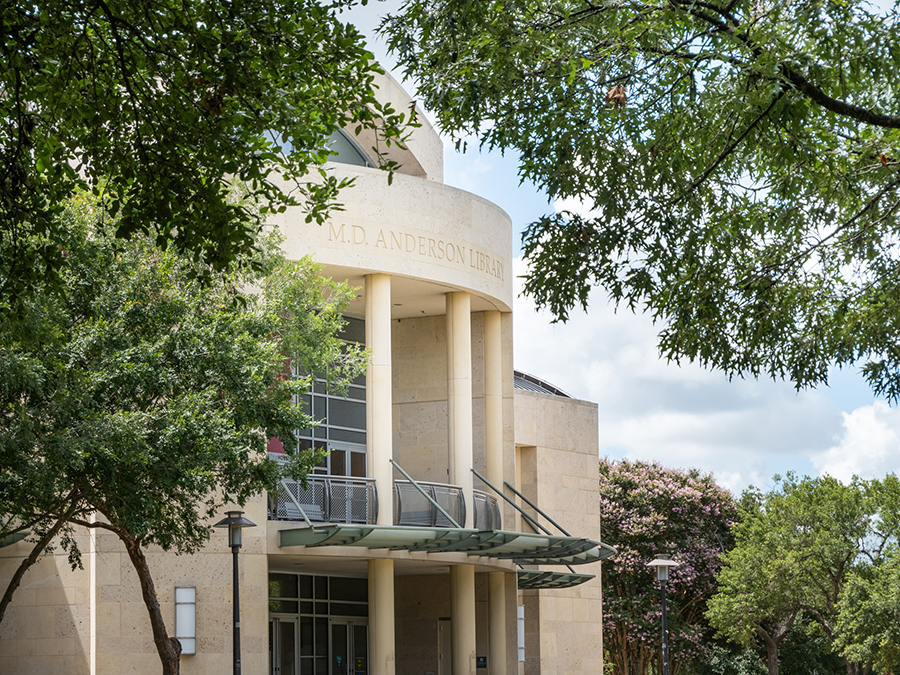
The University of Houston MD Anderson Library was occupied in 1950 and dedicated on April 1, 1951. 75 years later, we are commemorating the legacy of our Library, the heart of the University, and looking toward the future of a Reimagined Library. In 2026, we invite you to join us in celebrating this significant moment in our University’s history.
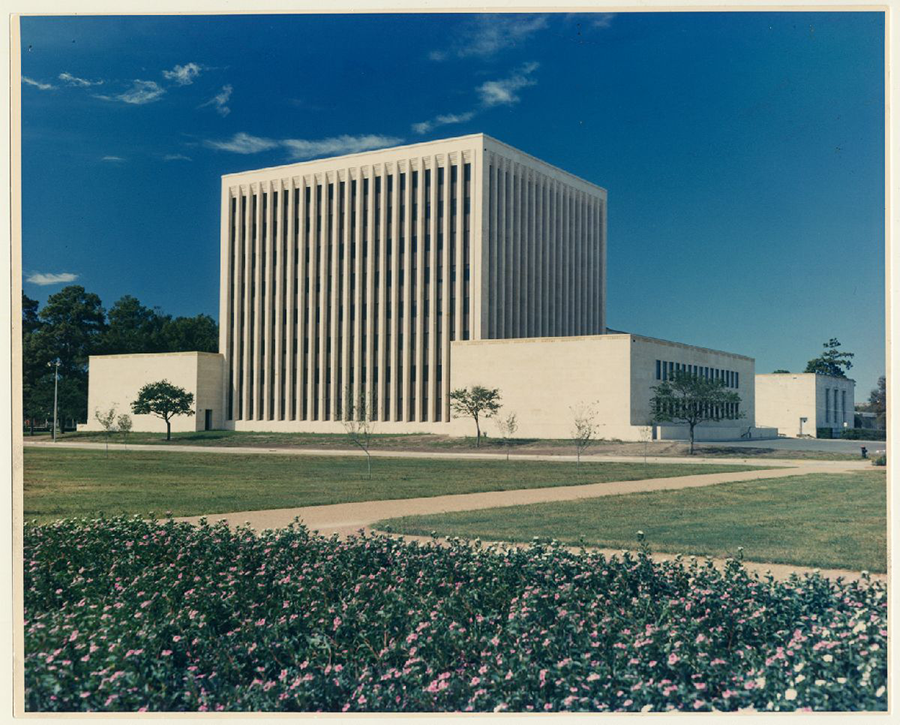
The original MD Anderson Library, modest in size, has since evolved through three major expansions—the 1968 Blue Wing, 1977 Brown Wing, and 2004 Gold Wing—into a 400,000-square-foot facility. Its evolution mirrors the University’s growth, becoming a modern, collaborative hub for scholarship and creativity.
Explore this page to learn more about MD Anderson Library through the decades, engage in signature anniversary events, share your Library story, and find out how you can help shape the future of the Reimagined Library.
Celebrate with us!






MD Anderson Library Milestones
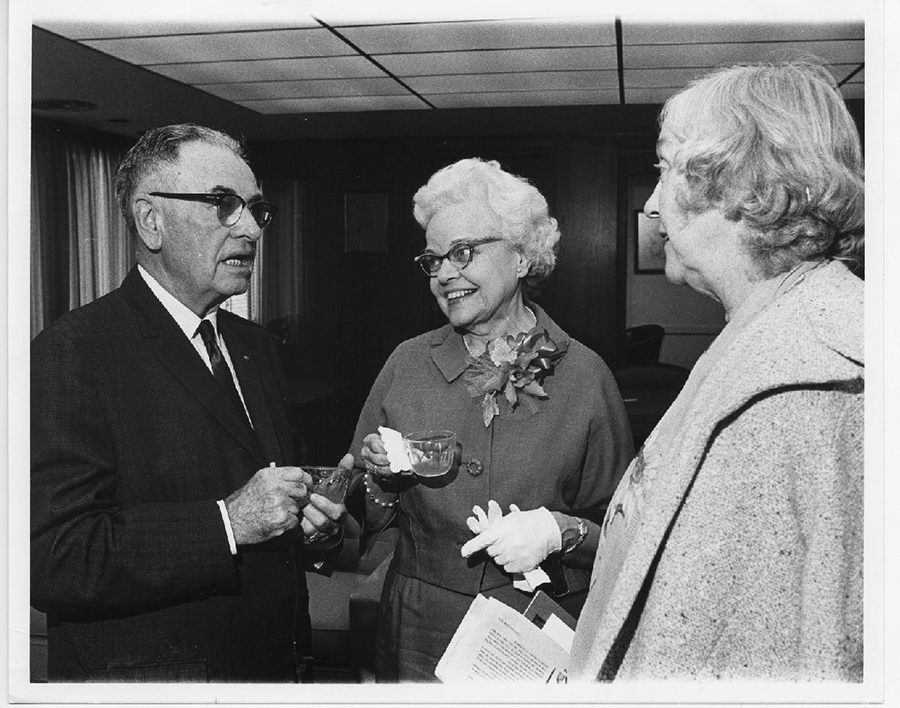
1933: Ruth Wikoff became the first librarian to guide the collection, when UH was known as Houston Junior College. Wikoff led the Library from 1933 until her retirement in 1973.
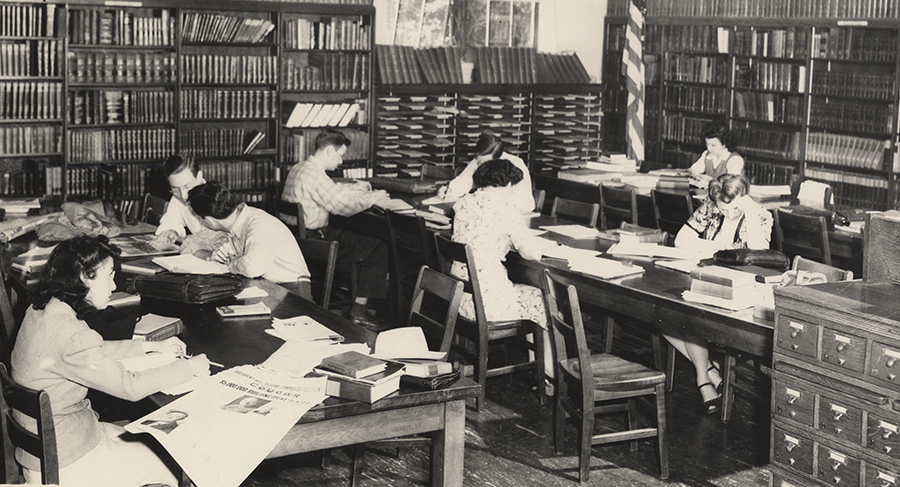
1939: The first Library collection at UH was established in the Roy Gustav Cullen Memorial Building, the University’s academic building and first permanent structure.
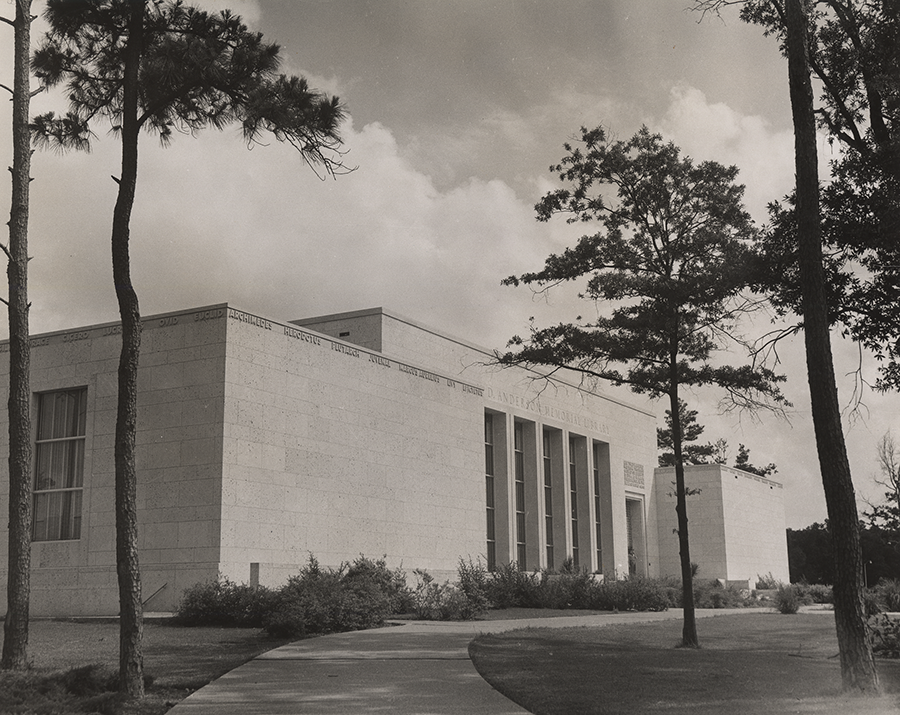
1951: The MD Anderson Foundation awarded the University a $1.5 million grant to build a permanent library. Houston architectural firm Staub Rather and Howze designed the building to convey a sense of academic prestige. The MD Anderson Library was occupied in 1950 and dedicated on April 1, 1951.
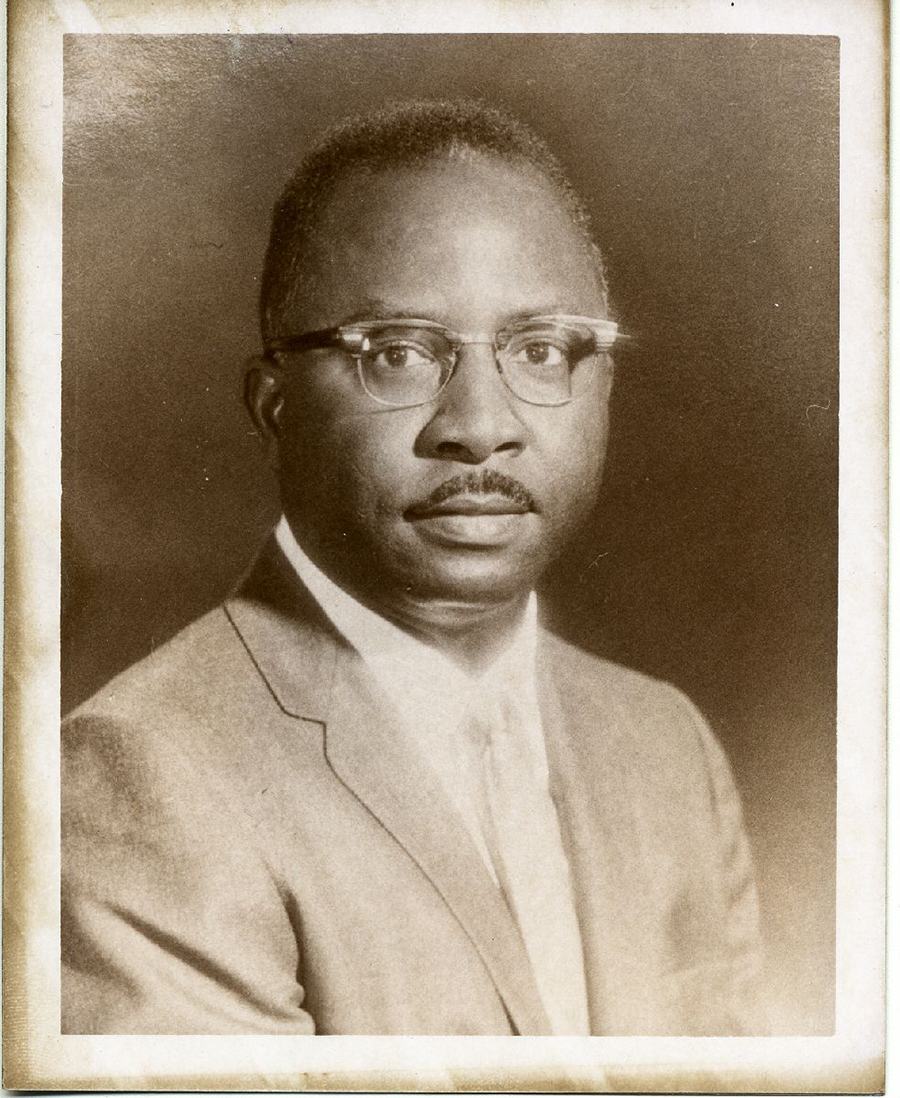
1967: Dr. Charles Churchwell became the first African American hired at UH with academic rank as the Assistant Director for Public Service at the MD Anderson Library.
1968: The Library’s first major expansion was a $2.7 million, eight-story tower known as the Blue Wing behind the original limestone building, and was designed to relieve crowding and to accommodate a growing collection.
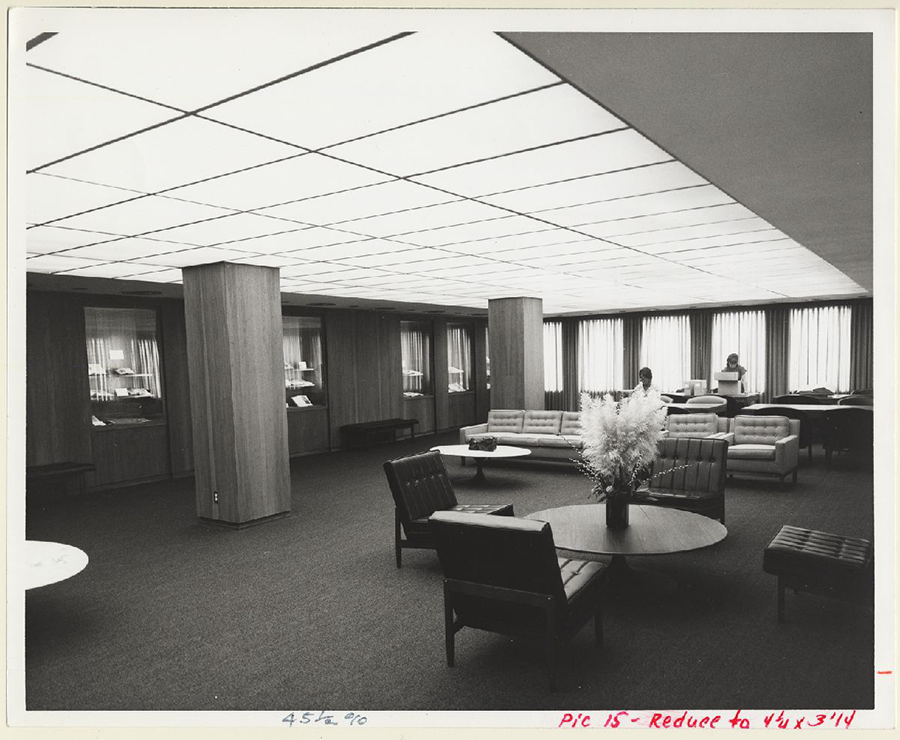
1968: Special Collections was formally established during a period of rapid institutional growth and academic expansion at the University, centralizing collection stewardship and archival practices and marking a strategic shift toward preserving unique and rare materials that documented the history of the University, the city of Houston, the state of Texas, and broader cultural and literary movements. Special Collections was designed to support advanced research, teaching, and public scholarship while safeguarding materials for long-term accessibility.
1977: A special event hosted by the Friends of the Library marked the dedication of the John H. Freeman Wing (widely known as the Brown Wing); and the Library’s acquisition of its one-millionth volume, a priceless work by Albrecht Dürer, donated by Ambassador Kenneth Franzheim.
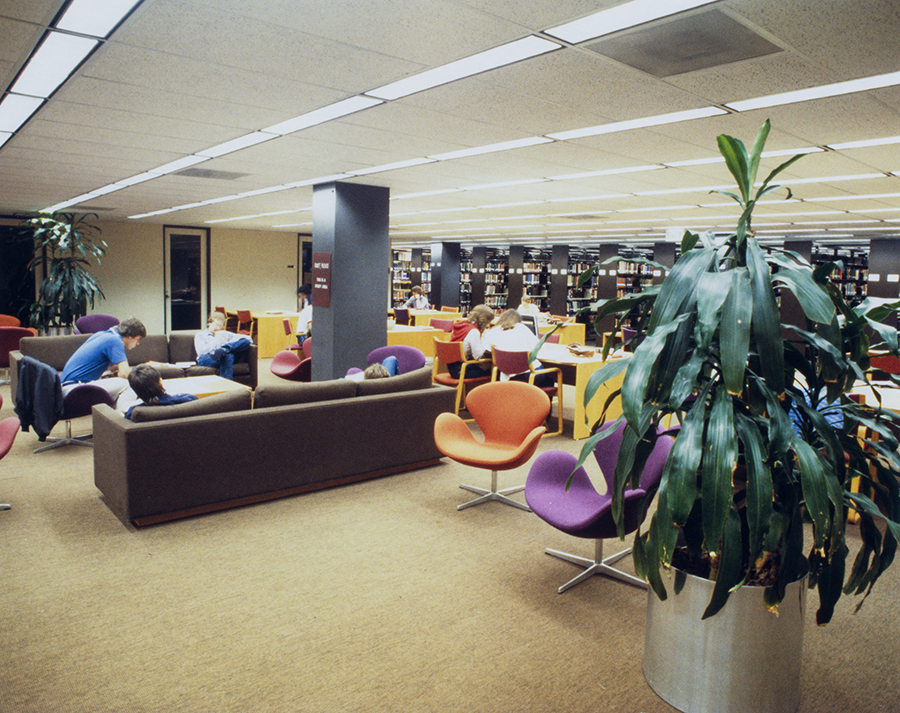
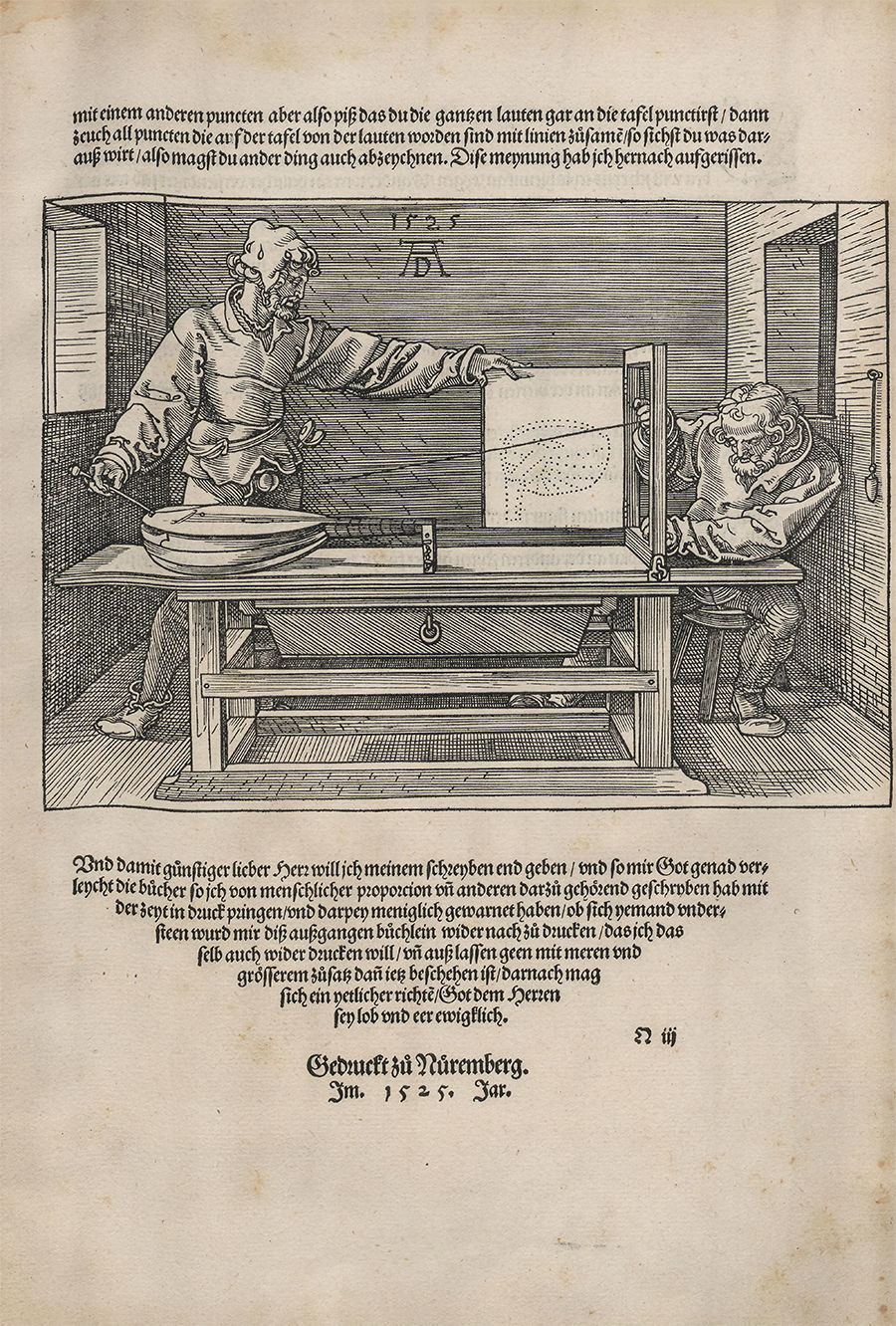
1996: University Archives was established to preserve and make accessible a variety of primary source materials telling the unique story of the UH intellectual, cultural, and organizational imprint.
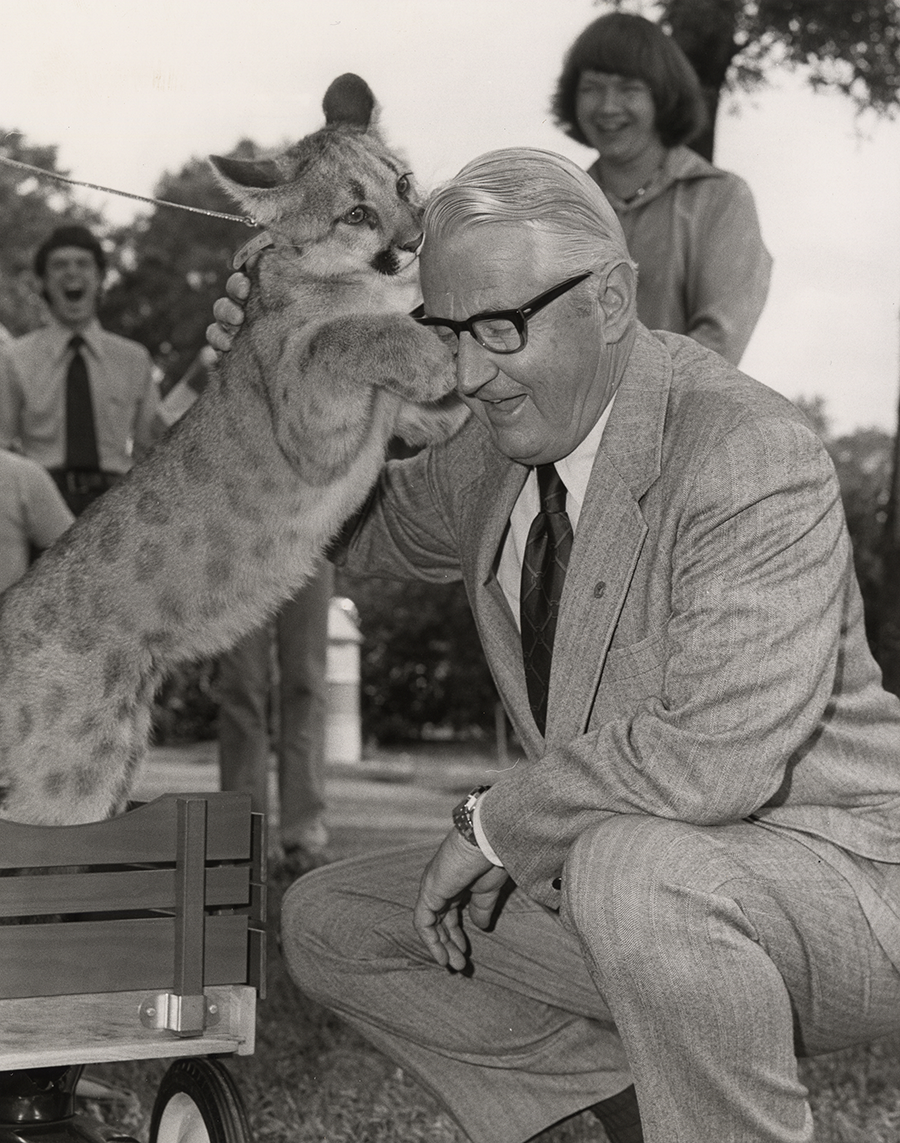
1997: Dana Rooks accepted the role of Dean of UH Libraries in 1997, and so became the first female Dean at the University. After 17 years as Dean, Rooks stepped down to assist the Provost on several new University initiatives. She would raise more than $30 million while serving as Dean, and was integral in bringing about the 2004-2005 renovation.

1998: The Elizabeth Dennis Rockwell Dean’s Chair was established. A fourth-generation Houstonian, Rockwell was a longtime friend and philanthropist of the University.
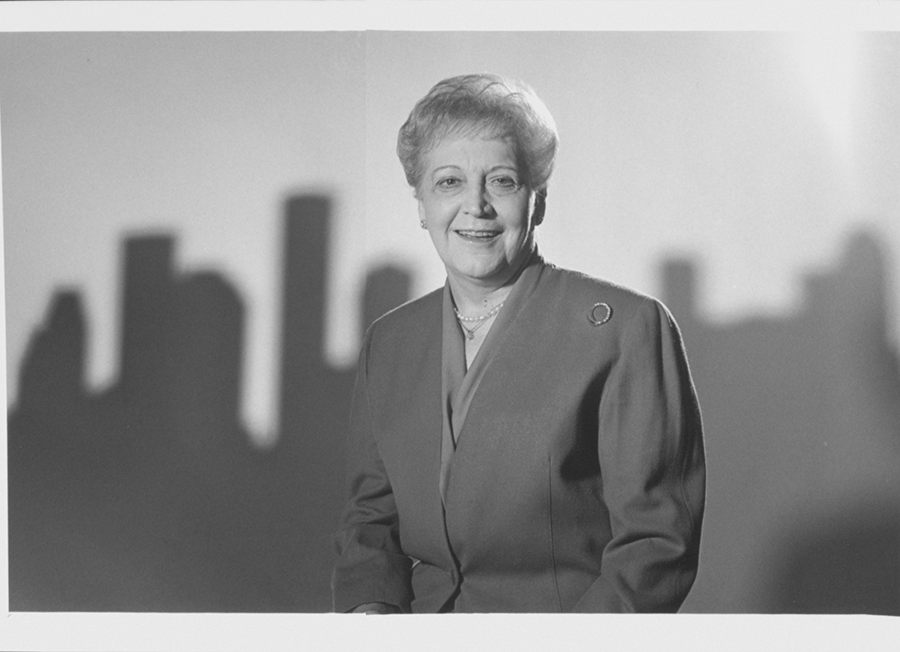
2004: A $49 million expansion nearly doubled the Library’s size. The project added the Gold Wing and the John O’Quinn Atrium, creating a central gathering space filled with natural light and student activity.
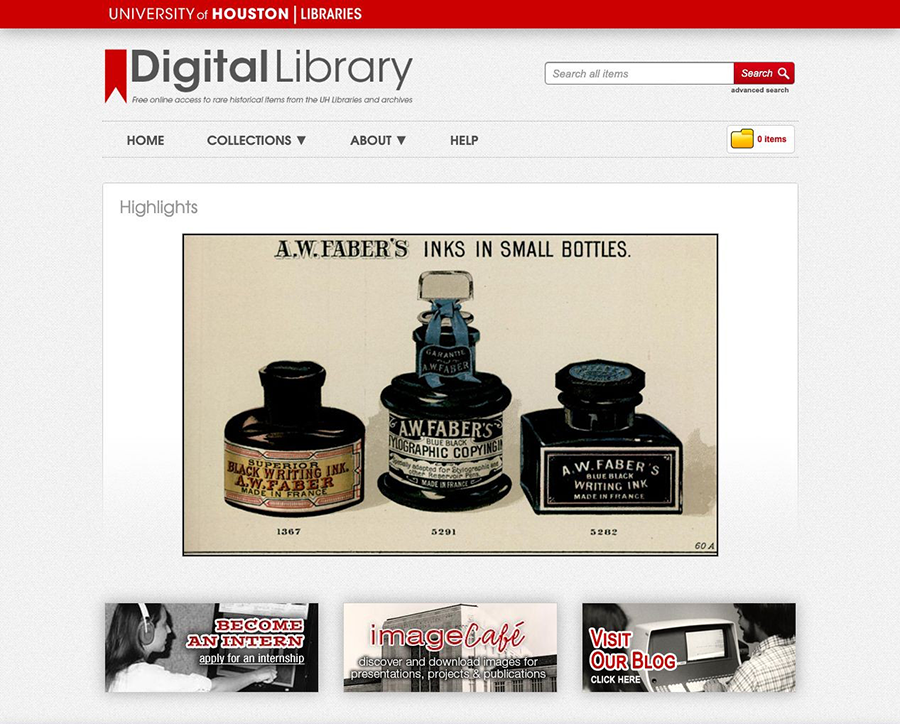
2009: The UH Digital Library was launched, providing a unique, centralized, and accessible collection of images representing historic primary source materials in Special Collections.
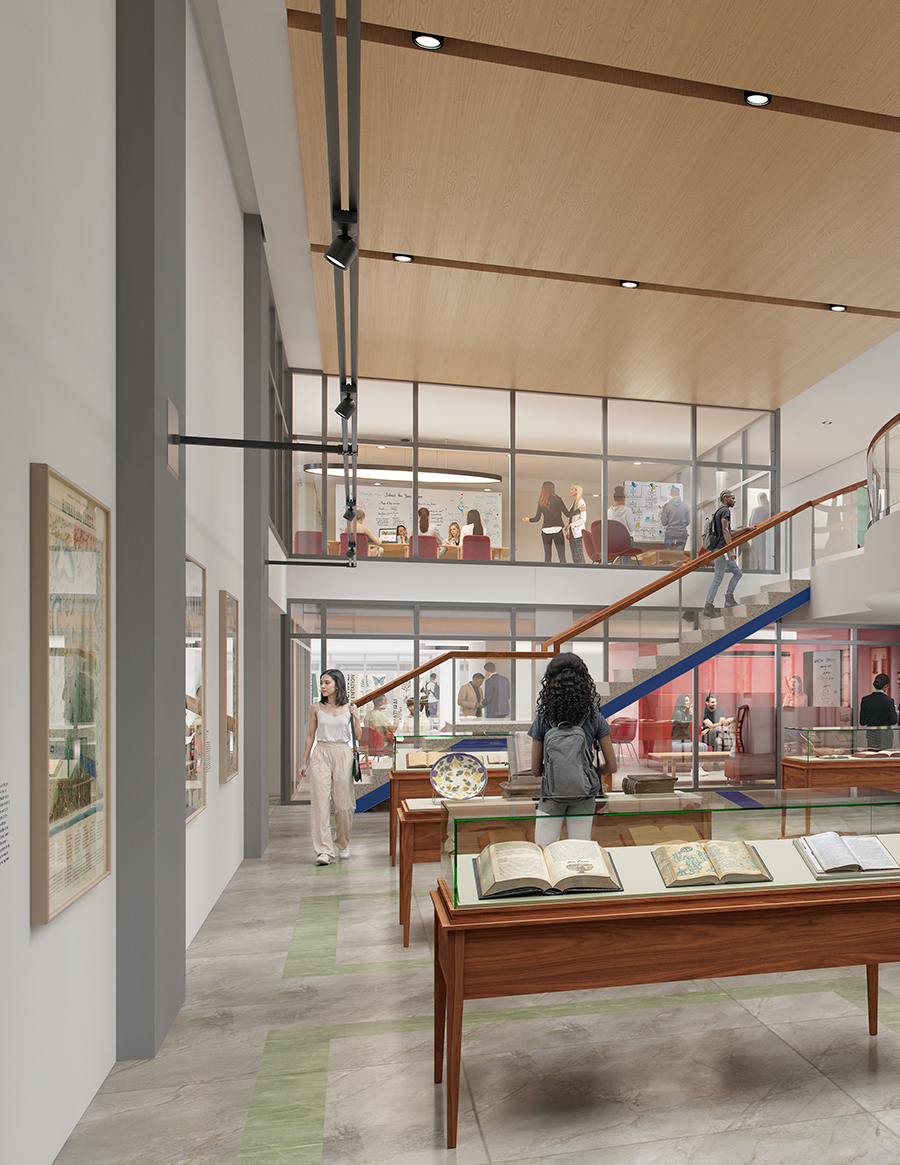
Now: The future of MD Anderson Library begins with you. We’re creating the foundation for a Reimagined Library, a big idea that drives the development of modern, vibrant and inspiring spaces and services designed to meet the dynamic needs of UH students, faculty and scholars. Our vision is to become a research library befitting a top 50 public university — a paradigm of collaboration, community and convergence.