Personal Voices, Shared History: Inside UH Libraries’ New Exhibit
A new exhibit at University of Houston Libraries features local primary sources curated from the LGBT History Research Collection.
“We the People: Exploring the American Experience through the UH Libraries LGBT History Research Collection” illuminates lived experiences represented by photos, handwritten letters, artwork, newspaper clippings, clothing, and ephemera. Presented with support from The Hollyfield Foundation, the exhibit offers visitors a unique opportunity to experience deeply individual yet publicly resonant perspectives from the 1940s to 2000s.
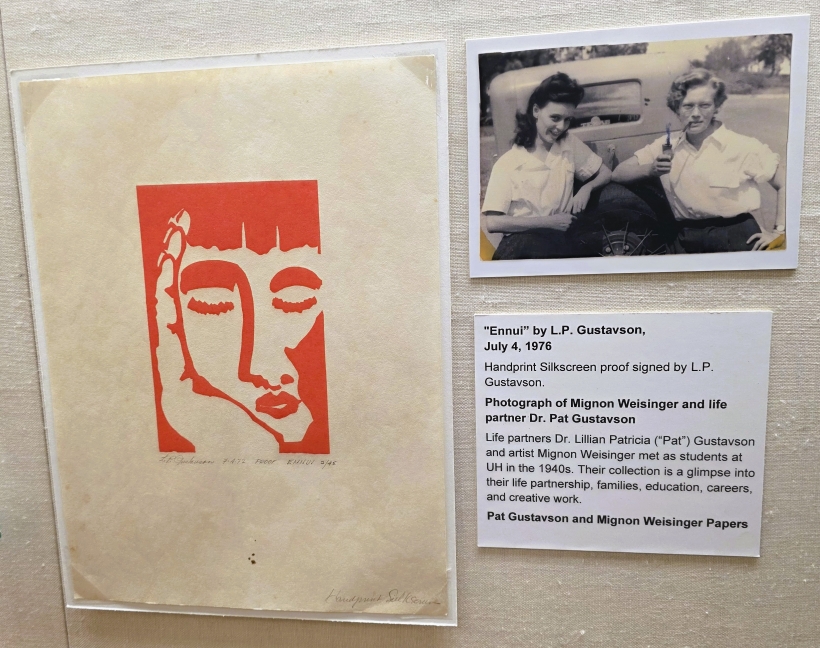
Artwork and a photo from the Pat Gustavson and Mignon Weisinger Papers
After thoughtful research and planning, archivist Joyce Gabiola selected rare, one-of-a-kind materials documenting extraordinary moments and milieus in Houston and LGBT history.
“As a UH alum and professional archivist who grew up in Houston, it’s an honor and privilege to have developed the exhibit for the UH community and public,” Gabiola said. “It’s also personally meaningful. One of my favorite parts of the exhibit is the inclusion of recent UH graduates’ affective engagement with materials in the collection, which represent academic and creative possibilities of archival research.”
Some of the collections featured in the exhibit are the Botts Collection of LGBT History, Diana Foundation Records, Arden Eversmeyer Papers, Fundación Latinoamericana de Acción Social Records, Gulf Coast Archive and Museum of GLBT History, and PFLAG Houston Records.
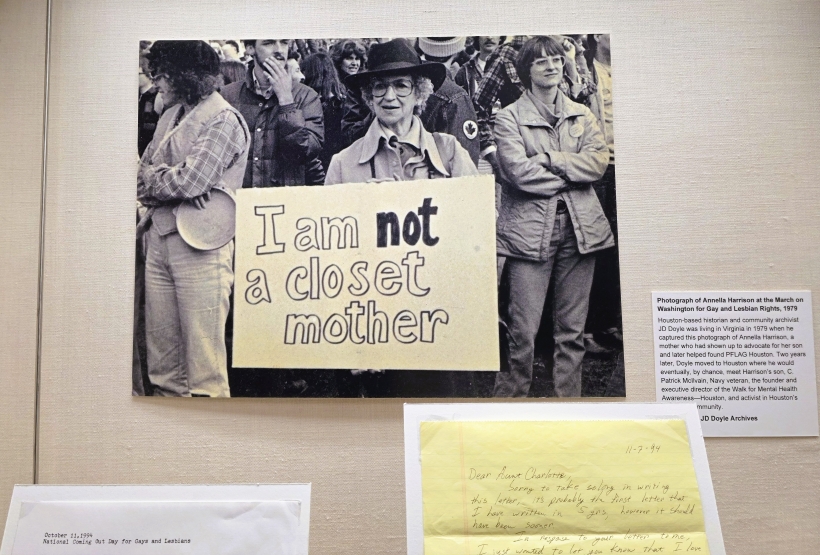
Photo from the JD Doyle Archives; correspondence from the Arden Eversmeyer Papers
UH Libraries has one of the most significant LGBTQ research collections in the country, built through decades of scholarly collaboration with members of the local community,” said Christian Kelleher, director of exhibitions and external relations. “While the exhibit only has room for a small sampling of materials from the extensive collections, it captures a sense of the personal and public, the civic, social and cultural historical primary sources represented in the archives.”
Curatorial assistant Lysandra Cruz stated that materials from the C. Patrick McIlvain Papers were especially notable for her. “It was a physical showcase of the kinds of emotions a person could go through,” Cruz said. Connected to Special Collections for a capstone course, she was motivated despite limited prior experience with physical primary sources. “What brought me to do this archival work was my want to learn more and experience a part of history that I felt also belonged to me,” she said.
Any UH student scholar, or member of the public who may be interested in exploring research collections can start with a finding aid search and connect with UH librarians and archivists who oversee the collections.
“We the People” is on view through December 2026 and is located at MD Anderson Library floor 1. For more information or to discuss possible instruction opportunities connected to the exhibit, contact Joyce Gabiola.
New Library Manager
University of Houston Libraries is pleased to welcome Allison Young as the new library manager in Special Collections.
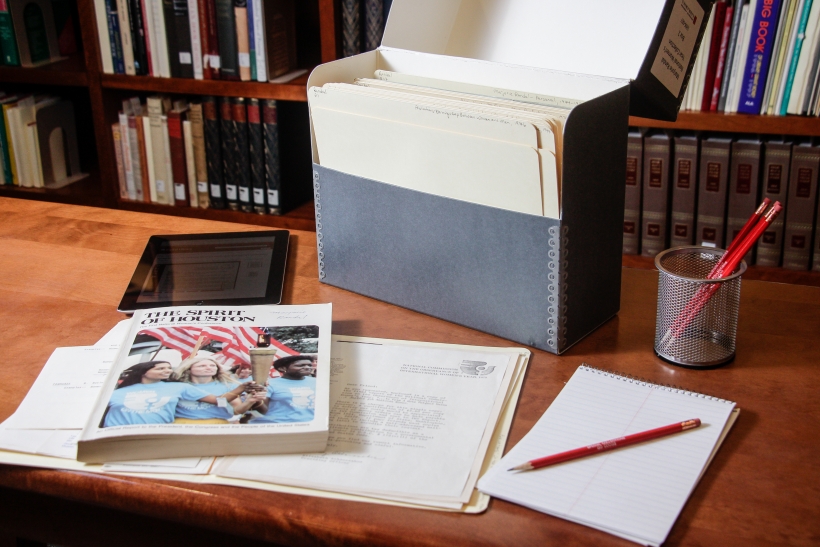
Special Collections Reading Room
Please describe your role. How does your work align with the student success and research impact focus of the University?
My role as Library Manager is directly involved with student success. I oversee our student employee pool in daily operations and patron service. I also assign students to archival projects that align with their academic and personal interests, which fosters a more rewarding work experience. Our students thus gain invaluable insight into archival research and processing.
I am also responsible for fielding research requests, making me a direct line of communication between potential patrons and our services. I thus not only assist former and future patrons in finding relevant materials, but I also schedule their appointments and put them in contact with curators of relevant collections. I further assist researchers at our reference desk when they visit our Reading Room.
Please share a bit about your background and professional interests. How do these inspire and shape your approach in Special Collections?
I received my BA in Art History with a minor in Anthropology and my MA in Art History from the University of Houston. My academic interests are reflections of my personal passions for the arts and humanities. The investigation of human history and creativity has always led me to libraries and museums. As such, I was extremely excited when I landed a student worker position at Special Collections. As a student worker, I was exposed daily to intimate materials reflecting parts of local, national, and international history. Excited and motivated by new skills in archival research, I translated my experience into my thesis work by visiting Special Collections and other institutions as a patron. These skills I continue to sharpen have colored the determination I bring to my new position at Special Collections daily.
What are one or two things you’d like scholars and students to know about engaging with primary source materials?
Researching primary source materials can be like an archeological dig in the archives, you never know what you will uncover. What can be found can move your research forward or stop it dead in its tracks. It can also humanize your perceptions on a person, people, and/or history. From personal experience, I have found glimpses into people’s lives–anywhere from centuries to a few years ago–that have made me laugh, made my heart ache, made me empathize. Primary sources are intellectual and emotional tools that, I believe, should not be underestimated.
Introducing Cougar Collections
UH Libraries is pleased to introduce Cougar Collections, a new video series featuring the rare and unique research collections you can find at UH Special Collections.
In the inaugural episode, Processing Archivist Kevin Kinney shares a few compelling themes of the Red Adair Collection.

The Red Adair Collection is the first to be featured in UH Libraries’ new series, Cougar Collections.
Special collections and archives contain primary source materials, the ingredients of original scholarship. The new Cougar Collections series brings archives alive, surfacing the stories and voices that illuminate our history and inform our future.
Watch Cougar Collections: Red Adair.
Learn more about visiting Special Collections.
Access digitized materials at UH Digital Collections and the Audio/Video Repository.
Video: Ask an Archivist
For #AskAnArchivist Day and American Archives Month, we asked three UH archivists to share a bit about their work. In this video, Katy Allred, assistant university archivist for the Centennial project; Vince Lee, archivist for the Carey Shuart Women’s Research Collection; and Mary Manning, University of Houston archivist, talk about how they got into the field of archives, what a typical workday looks like, and some of their current projects.
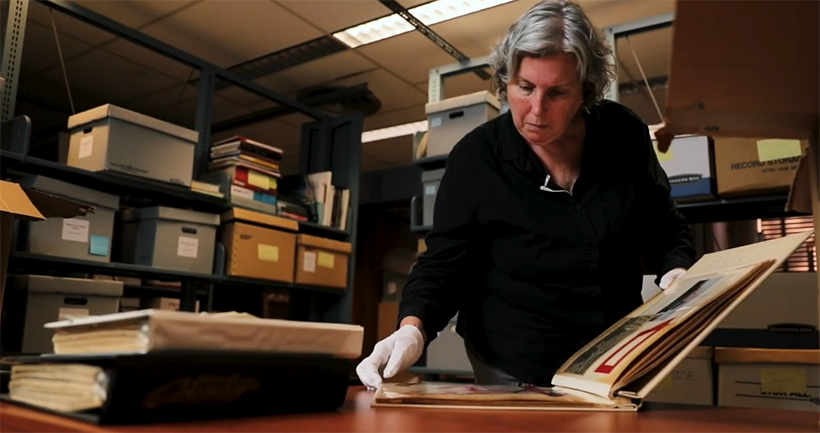
University archivist Mary Manning
UH Libraries Announces the Suzanne Paul Collection
UH Libraries thanks Deborah Colton for her contributions to this announcement.
University of Houston Libraries Special Collections is pleased to announce the donation of the Suzanne Paul Collection.
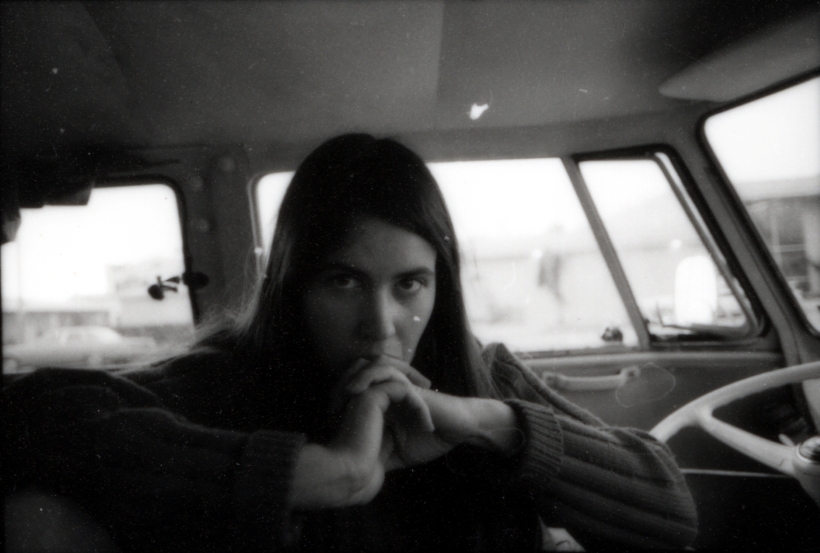
Image of the photographer Suzanne Paul, circa 1970s, sourced from a contact sheet
Suzanne Paul (1945 – 2005), a native Houstonian and pioneering female photographer, has made a vast contribution to representing the arts of Houston and to recording Houston’s art history. Through pure creative impetus and respect for the arts in the city, Suzanne photographed the heartbeat of Houston’s art scene from the mid-1970’s through the beginning of the millennium. This collection has now been generously donated by Suzanne’s daughter, Mercedes Mallard Paul.
Paul’s introduction to the arts of Houston started in 1976 when James Harithas, who was then the Director of the Contemporary Arts Museum (CAMH) commissioned her to take photographs of artists and their art installations at the museum. Shortly thereafter, she was offered the first solo exhibition of a female artist there, which featured her photographs. Suzanne was always at every art happening that was significant in the city, carefully taking photos and capturing the essence and soul of each event.
In revealing ways, Suzanne Paul has documented the artists, the curators, the gallery owners and patrons of that era. The people who shaped and defined Houston’s rapid growth and helped the arts flourish, which set the stage for who we have become as a vibrant art city today.
Among the first artists Paul photographed were Dick Wray, Julian Schnabel, Terry Allen and Norman Bluhm. Soon after, she documented Richard Stout, Bert L. Long Jr., Jesse Lott, The Art Guys, Mel Chin and Edward Albee. In addition to her portraitures of artists and long-time friends, Paul captured photographs of museum curators like Anne Tucker, Walter Hopps, Alison de Lima Green and Edward Mayo, and patrons starting art nonprofits at the time, like Ann Harithas, Marilyn Oshman and others. So many art celebrities and patrons on this era were photographed through Paul’s skillful lens. Without Suzanne Paul’s photographic documentation of this incredible growth era of the arts in Houston, so much of this period would be lost.
This collection of photographic negative, slides, prints and related memorabilia from this work was left in the care of Deborah Colton – Deborah Colton Gallery since the artist’s passing in 2005. At the request of Suzanne’s daughter, Deborah Colton Gallery hosted the Memorial Reception and Exhibition of Suzanne and her work in March of 2005, which was the time of her passing. This important exhibition was at Colton’s gallery at 2500 Summer Street at the time, where hundreds of people from the art community came to pay their respects to this notable artist.
Deborah Colton Gallery, in collaboration with Suzanne’s daughter Mercedes Mallard Paul, worked tirelessly for many years to catalog and preserve Paul’s imagery and related materials, including prints, negatives, slides, press articles, catalogs, and letters. The result is an impactful, tangible record affirming Paul’s distinction and major contribution to Houston’s arts and culture.
As Deborah Colton stated, “I dedicated so much of my staff’s and my time and financial resources to the Suzanne Paul project and protected this Collection for close to two decades. I did this with conviction and long-term dedication because I knew how important it was to Houston’s art history. During the time Suzanne was photographing, she was known to be at anything and everything important in the arts happening in the city. She was the first and the last to put so much of her heart and soul into the documentation of the city’s arts, and such an important time it was: a rapid period of growth, helping shape our arts and culture into the vibrant community that it is today. It has been my long-term goal to see this collection be placed with the Special Collections of the University of Houston Libraries.”
“I believe my mother wanted to capture the art world in Houston because that was her passion,” Mercedes said. “Art and photography were things that she lived and breathed daily.”
Christian Kelleher, current director of exhibitions and external relations and former head of Special Collections, said “the work of Suzanne Paul will prove to be invaluable for research in the arts, women’s history and the history of Houston. This is a special, influential legacy that we are honored to preserve in our collections.”
The Suzanne Paul Collection is a compelling addition to an already rich archive of primary source materials in performing and visual arts. Through UH Special Collections, UH students and faculty, as well as global scholars, can explore records of well-known regional organizations that document theater companies, directors, producers, performers and artists, and art groups.
“Suzanne Paul’s work captures the soul of Houston’s art scene with striking clarity and depth,” said Lauren Gottlieb-Miller, associate dean for Special Libraries and Preservation. “This collection not only preserves her legacy but enriches UH Libraries’ commitment to documenting the city’s cultural history. We are deeply grateful for the dedication of Deborah Colton Gallery and Mercedes Mallard Paul in bringing this invaluable archive to our students, scholars, and community.”
The collection is currently being processed. For information, contact Christian Kelleher.
New Exhibit on the Black Arts Movement Opens at UH Libraries
Recently, University of Houston Libraries hosted an opening reception for the new exhibit “Black Ink: The Black Arts Movement in Print.” Rare Books curator Julie Grob selected materials from UH Special Collections’ significant holdings of poetry and other writing published during the Black Arts Movement period of the 1960s and 70s. A few of the writers featured are Amiri Baraka, Toni Cade Bambara, Gwendolyn Brooks, Nikki Giovanni, and Ntozake Shange. The exhibit also includes examples from the Black-owned publishers Broadside Press of Detroit and the Third World Press of Chicago.

The community engagement event held at the Elizabeth D. Rockwell Pavilion included poetry readings from three graduate students in the UH Creative Writing Program. Abby Mengesha, Anthony Sutton, and El Williams III shared poetry from writers of the Black Arts Movement along with their own works.
Sutton wrote the following introduction to the exhibit:
This mid-twentieth century movement in literature, music, and art coincided with cultural shifts in the post-World War Two United States, including the Civil Rights movement and the Cold War. Through the Black Arts Movement, experimental literary sensibilities emerging at the time met the politics of the Black Panthers.
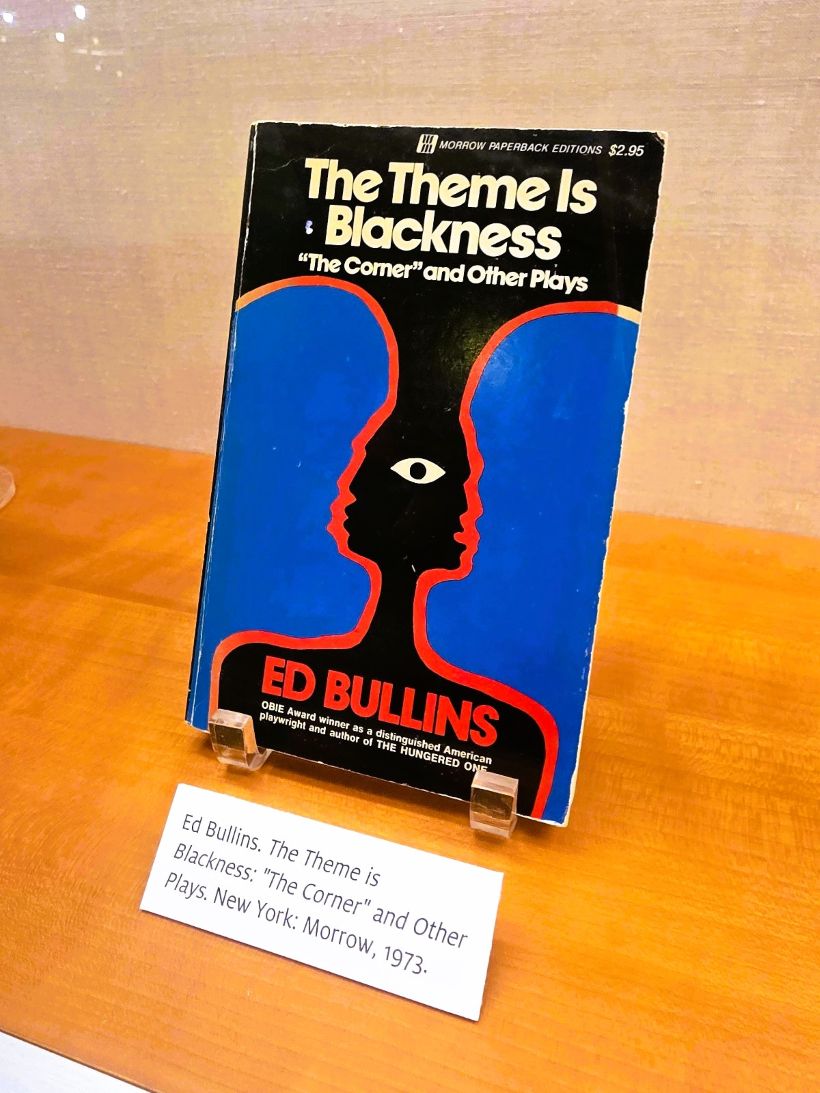
While some members of this grouping, such as Lorraine Hansberry, Amiri Baraka, and Gwendolyn Brooks, achieved mainstream recognition, this movement largely made use of underground and alternative venues such as the Black Arts Repertory Theater and School in Harlem for works to be performed. Print materials from the Black Arts Movement show the DIY publishing possible with a machine called the mimeograph which allowed the production of large volumes of magazines and books quickly and affordably.
The Black Arts Movement was also a nation-wide movement with not only New York City being a hotspot but also significant publishing activity in the Midwest with Broadside Press in Detroit and Third World Press in Chicago. In 2025 Third World Press received the Toni Morrison Achievement Award from the National Book Critics Circle. The Black Arts Movement eventually reached Houston through Lorenzo Thomas who served as Writer-in-Residence at Texas Southern University and later as faculty at UH-Downtown.
Visitors are invited to experience the exhibit, located at MD Anderson Library floor 2, through May 2026.
Announcing the Tommy Tune Collection at UH Libraries
What didn’t tall Texan Tommy Tune accomplish in the performing and visual arts world?
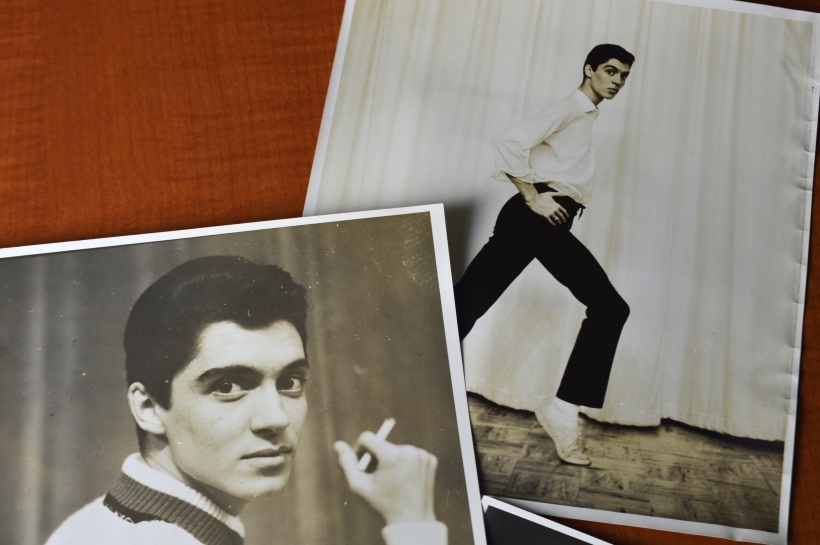
The Tommy Tune Collection at UH Libraries
Students and scholars will be able to explore that question and much more with the acquisition of a wonderful new collection at University of Houston Libraries that preserves and celebrates the legacy of the prolific dancer/singer/director/choreographer.
Thomas James Tune was born in Wichita Falls and grew up in Houston where he attended Lamar High School. After graduating from University of Texas at Austin, the 6 foot 6 tap dancer began graduate studies in directing at University of Houston, but soon left Texas for New York City, where his career launched from day one. In 1965, Tune made his Broadway debut in the production of Baker Street, followed by A Joyful Noise (1966) and How Now, Dow Jones (1967).
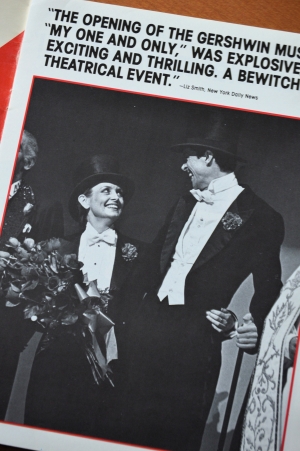
Tune is the recipient of 10 Tony Awards, including the 2015 Tony for Life Achievement in the Theatre. He is the only star in theatrical history to win in four categories, and the only person to win the same Tony Awards two years in a row. Tune also received The National Medal of Arts, the highest honor for artistic achievement given by the president of the United States. He was honored with a star on the Hollywood Walk of Fame in 1993.
And those accolades only scratch the surface. Tune’s illustrious performing arts career comes alive in the massive collection, which currently boasts nearly 100 linear feet of materials, and will grow even more with a forthcoming second shipment from New York City.
Tommy Tune and his sister, Gracey Tune, generously gifted the first set of items to University of Houston. Gracey Tune is the founder and artistic director of Arts Fifth Avenue in Fort Worth, where much of the collection was housed.
“The Tune family is so thankful and thrilled to have the Tommy Tune Collection at University of Houston,” said Gracey Tune. “We appreciate each individual embracing this big project. It began when we contacted Hillary Hart at TUTS; she was excited and contacted Mary Manning…the rest is history. We are Houstonians – we love Houston and UH.”
The acquisition was facilitated by Mary Manning, university archivist, together with Christian Kelleher, head of UH Special Collections. Manning sees a host of opportunities for how the Tommy Tune Collection can advance academic and scholarly productivity. “The Tommy Tune Collection is a significant contribution to the study of theatre history, particularly musical theatre,” she said. “Tommy Tune is not only a talented singer, actor, and dancer, but also a celebrated director, producer, and choreographer; his archives will be enlightening to scholars and performers researching any of these fields. The collection will provide insight into Tune’s creative processes and provide cultural context for the plays he directed and performed in; it can serve as a source for reconstructing the plays and performances, inspiring and providing material for musical theatre students and professionals.”
Bit by meticulous bit, Katy Allred, assistant university archivist, will survey each item in the collection, which includes costumes, scripts, production and publicity photos, newspaper articles, posters, paintings, scrapbooks, correspondence, sheet music, playbills, drawings, souvenir books, production documents, and awards and honors.
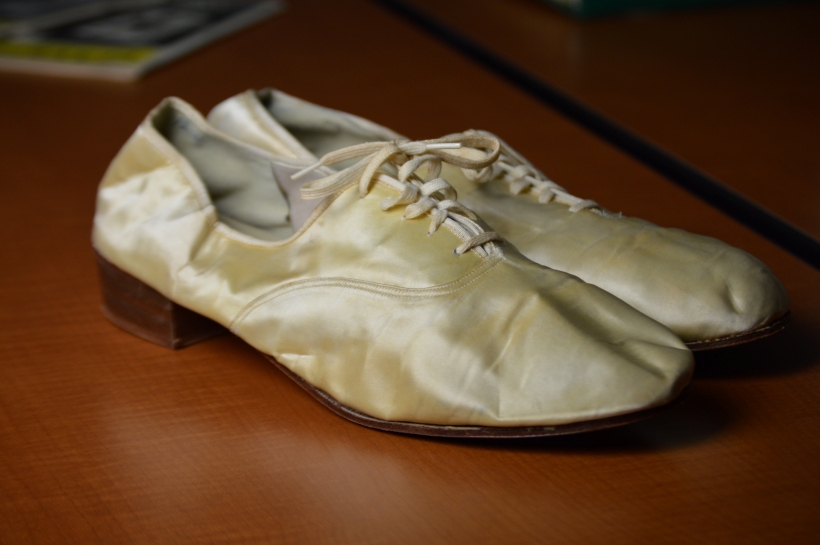
Archival materials often arrive at UH Special Collections (located on MD Anderson Library floor 2) in containers such as plastic tubs or cardboard boxes. Items might have binders, such as rubber bands that can harden and stick, or fasteners that can rust. Part of the job of an archivist like Allred is to go through the entire collection, identify preservation concerns, and intervene. This process will bring to light the condition of each item, which will inform preservation in archival enclosures, such as how to store Tune’s dazzling sartorial pieces. “This collection is really interesting because it comes with a lot of textiles,” Allred noted. “We don’t usually get collections with a lot of costumes. The challenge of preserving hats, shoes, and coats will be a new thing to learn.”
Allred will gain a sense of how to arrange the collection into series for the finding aid that will be published online. The finding aid is a tool researchers can use to browse collections, identify the boxes they’d like to explore, and contact UH Special Collections with their request. The collection will be of particular interest to UH students, faculty, and researchers seeking primary source materials on Tommy Tune’s life and career, including documentary filmmakers, biographers, dance historians, musical theatre performers, directors, producers, and choreographers.
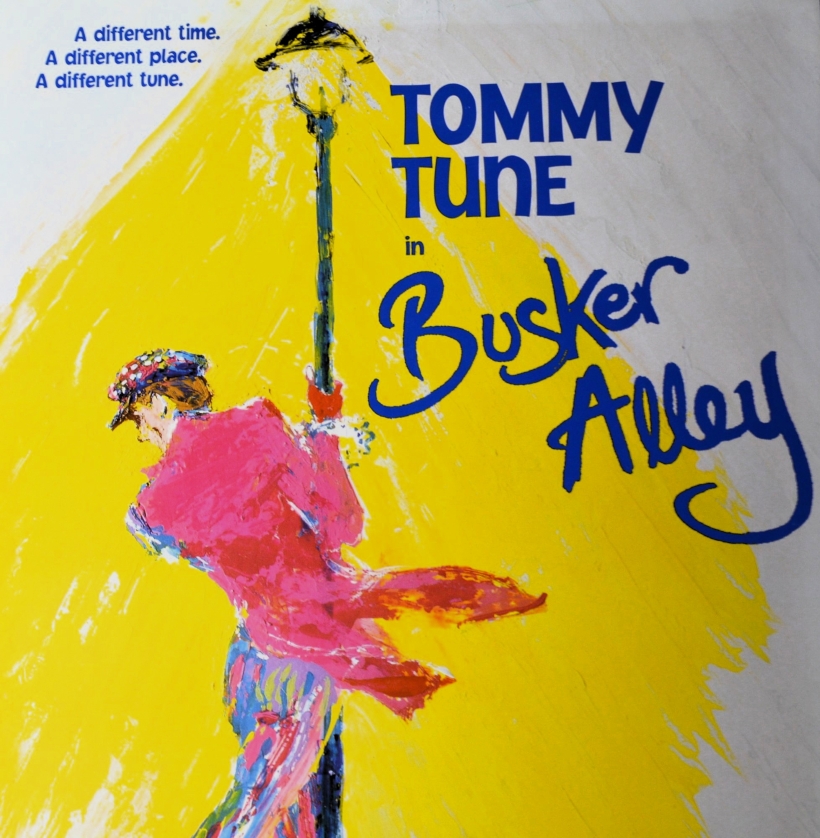
Surveying a collection of this magnitude takes time. Allred is early yet in the process, but already, compelling themes and stories are emerging from the materials. “What I can tell so far is that Tommy Tune is a Renaissance man of the theatre,” she said. “He sang, danced, acted, produced, directed, and choreographed shows on Broadway, off-Broadway, touring shows, and countless other productions. He was constantly working on something; often on several projects at once! I am a huge fan of musical theatre, so this is such an exciting opportunity. I know how important and inspirational Tommy Tune has been for so many aspiring performers in my own life; people from the South who looked up to him as someone like them who made it. I can’t wait to make this collection available and accessible to everyone.”
UH Libraries thanks Tommy Tune, Peter Glebo, and Gracey Tune for their incredible generosity and collaboration on this impactful gift. The Tommy Tune Collection’s journey to UH was facilitated by a collective effort. UH Libraries recognizes and thanks the following individuals for their integral role in bringing this collection to the University:
- Hillary Hart, executive director, Theatre Under The Stars (The TUTS Tommy Tune Awards event was held on Friday, June 6, honoring high school musical theatre in Houston.)
- Andrew Davis, PhD, dean, Kathrine G. McGovern College of the Arts
- Megan Topham, PhD, associate dean of operations, Kathrine G. McGovern College of the Arts
“The Tommy Tune Collection is a transformative addition to both our University Archives and our Visual and Performing Arts collections,” said Lauren Gottlieb-Miller, associate dean for special libraries and preservation. “This gift ensures that students, researchers, and artists for generations to come will have a direct connection to one of the great creative forces of American theatre. We are honored to steward Tommy Tune’s legacy in the city and University that helped shape him.”
This collection is being processed and is not yet available for viewing. For more information, contact Mary Manning.
New Library Supervisor in Special Collections
University of Houston Libraries welcomes Julia Dion as the new library supervisor in Special Collections.
Please describe your role. How does your work align with the student success and research productivity focus of the University?
My role is very student-focused. I not only manage students’ work on our welcome desk and oversee their part in patron assistance, but I also work one-on-one with each of them to assign archival projects that play to their unique interests and strengths. I enjoy creating bonds with our students, learning about their passions, and serving as a mentor for the archival profession. The work we do encourages students to engage with historic materials in a way that leaves long-lasting impressions. As a supervisor, I aim to connect our student employees with primary source materials that excite their curiosity and affirm their sense of identity. When students engage with archival collections in this way, they are empowered to understand the significance of our shared history.
Please share a bit about your background and professional interests. How do these inspire and shape your approach in archives?
I graduated from Stephen F. Austin State University with a degree in English language, literature, and an accompanying minor in linguistic studies. My passion for book history and authorship as an art form led me to rare books librarianship, which inspires my continued interest in archives and special collections. I went on to attend the University of North Texas as a graduate student, where I earned my master’s degree in library science with an emphasis in archival studies and imaging technology and a certificate in archival management.
As a student of literature and the evolution of written history, my undergraduate career inspired my drive for preservation. My work as a graduate student further enabled me to put this passion into practice with skills such as collections management, book composition and construction, and disaster prevention and recovery. Through my studies, I’ve developed a deep appreciation for first-edition materials and other early writings, as well as the need to protect them from adverse conditions. My aim as an archival professional is to encourage collection accessibility, continuous learning, and shared empathy across identities and ideological communities.
What are one or two things you’d like scholars and students to know about engaging with primary source materials?
When we participate in the use of primary source materials, a remarkable exchange occurs; studies have shown that hands-on involvement with archival materials promotes empathetic engagement and heightens emotional response. By handling objects created decades, centuries, or even millennia ago, our own experiences mingle with those from the past and create a sense of continuous humanity. Due to their tactile and deeply intimate nature, primary sources elicit a response that is as emotional as it is intellectual.